
Case Study · Enterprise Project Monitoring & Tracking
Smooth Transition Strategy (STS) Tracker
A centralized digital solution developed to support enterprise project monitoring, implementation tracking, and stakeholder coordination.
01 · Case Study Overview
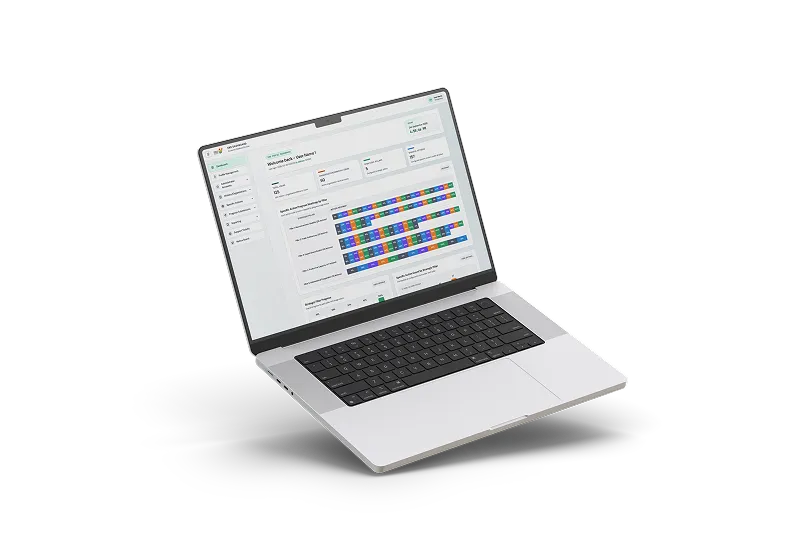
The Smooth Transition Strategy (STS) Tracker is a centralized digital solution developed to support enterprise project monitoring, implementation tracking, and stakeholder coordination. Designed for organizations managing complex transition initiatives, the system brings implementation activities, progress updates, reporting, and workflow management into one platform. Its primary purpose is to improve visibility across STS implementation, reduce fragmented information management, streamline reporting, and help management monitor progress and identify issues requiring timely attention.
02 · Project Background & Business Context
Implementing a Smooth Transition Strategy often involves multiple teams, stakeholders, activities, milestones, and reporting responsibilities. Each participant needs access to relevant information to understand current progress, communicate updates, and coordinate the next steps effectively.
When these activities are managed through disconnected spreadsheets, email conversations, manual reports, or separate tracking tools, maintaining a consistent view of implementation becomes challenging. Information may be scattered across departments, updates may arrive at different times, and management may need additional effort to consolidate progress reports.
A centralized STS Tracker addresses these operational complexities by bringing implementation data, assigned activities, progress information, and reporting into a unified digital environment. The system supports a more structured approach to managing transition initiatives, helping teams maintain alignment while enabling decision-makers to access relevant information without relying entirely on manual coordination.

03 · The Challenge: Before STS Tracker
Managing Smooth Transition Strategy implementation requires consistent monitoring, clear accountability, timely communication, and reliable reporting. Without a centralized tracking system, these requirements can create several operational challenges.
Fragmented Implementation Data:
When activity details and progress updates are stored across multiple files or communication channels, teams may struggle to maintain a single, reliable view of implementation status.
Limited Progress Tracking:
Monitoring activities, milestones, and outstanding tasks becomes more difficult when updates depend on manual follow-ups. Teams may have limited visibility into delayed activities, pending actions, and emerging implementation risks.
Time-Consuming Reporting:
Preparing management reports often requires collecting information from different stakeholders, checking updates, and consolidating data manually. This increases administrative workload and makes consistent reporting harder to maintain.
Workflow Bottlenecks:
Unclear task ownership, delayed updates, and inconsistent follow-up processes can slow coordination between teams. Without structured workflows, identifying which activities require action may take additional effort.
Insufficient Management Visibility:
Decision-makers need an accessible overview of progress, outstanding work, and potential issues. Fragmented reporting can make it difficult to identify where attention is needed and which activities require prioritization.
Need for a centralized system:
Together, these challenges highlight the need for a centralized system that connects implementation tracking, workflow coordination, and management reporting.
04 · Project Objectives
The primary objective of the STS Tracker project was to establish a centralized digital environment for monitoring and managing Smooth Transition Strategy implementation. The system was designed to consolidate implementation information, standardize progress tracking, and introduce structured workflows for coordinating activities across relevant stakeholders.
Additional objectives included simplifying report generation, improving dashboard-based visibility, supporting timely progress updates, and making implementation information easier to access. By organizing tracking and reporting within one platform, the solution aims to help teams manage responsibilities more consistently and enable management to make better-informed decisions based on available implementation data.
05 · The Solution: Introducing STS Tracker
EUITSols approached the challenge by developing a centralized Smooth Transition Strategy Tracker that brings implementation monitoring, workflow management, reporting, and stakeholder coordination into a unified digital platform.
The solution is organized around several core capabilities.
- Centralized Activity Tracking The system provides a structured place to record and monitor STS implementation activities. Relevant information can be organized around activity details, assigned responsibilities, progress updates, and implementation status, according to the organization's defined tracking requirements.
- Workflow Management Structured workflows help organize activities and their associated actions. By making responsibilities and progress easier to follow, the system supports more consistent coordination and reduces dependence on informal follow-ups.
- Interactive Dashboards Dashboard views provide a consolidated overview of implementation progress and available tracking information. This helps users review current status, identify pending activities, and understand where additional attention may be required.
- Automated Reporting Reporting capabilities are designed to reduce repetitive manual work by organizing tracking data into more consistent reporting views. This supports clearer communication between operational teams and management.
- Stakeholder Coordination A shared digital environment helps relevant stakeholders work from a common information source. This improves access to implementation updates and supports more structured communication across participating teams.

Together, these capabilities create a more organized approach to STS implementation management, connecting day-to-day activity tracking with reporting and management oversight.
06 · Development & Implementation Approach
EUITSols followed a structured development approach to align the STS Tracker with implementation monitoring and reporting requirements.
-
01
Requirement Analysis
The project began by identifying key monitoring needs, stakeholder responsibilities, reporting expectations, and the information required to assess implementation progress.
-
02
Workflow Mapping
Relevant activities and information flows were mapped to establish how updates, responsibilities, and reporting should move through the system.
-
03
System Design
The platform structure, dashboard views, data organization, and workflow requirements were planned to support usability and operational clarity.
-
04
Development
Core tracking capabilities, workflow functions, dashboards, and reporting features were developed around the defined requirements.
-
05
Testing and Deployment
The system was intended to undergo functional testing to check workflow behavior, data handling, reporting consistency, and overall usability before deployment.
-
06
User Adoption
Appropriate user guidance and training can help stakeholders understand the platform, maintain consistent updates, and use the system effectively in their daily work.
This phased approach supports a solution aligned with business processes rather than a standalone tracking tool.
07 · Results & Business Impact
The STS Tracker is designed to improve how organizations monitor transition activities, coordinate stakeholders, and communicate implementation progress. Its expected operational value comes from bringing previously fragmented tracking and reporting activities into a centralized environment.
Improved Information Visibility
Centralized activity records provide a clearer view of implementation information, helping authorized users locate relevant updates without searching across multiple disconnected sources.
More Structured Progress Monitoring
Organized tracking and dashboard views make it easier to review activity status, identify pending work, and recognize areas that may require additional attention.
Reduced Manual Reporting Effort
Standardized reporting capabilities can reduce repetitive information collection and consolidation, allowing teams to spend less time preparing updates and more time addressing operational priorities.
Better Workflow Coordination
Structured activity management supports clearer responsibility tracking and more consistent follow-up across stakeholders, helping teams coordinate their contributions more effectively.
Stronger Management Oversight
Consolidated reporting and dashboard-based visibility give decision-makers a more organized basis for reviewing implementation progress and prioritizing follow-up actions.
A Foundation for Future Improvement
A centralized digital framework creates opportunities to refine reporting, expand monitoring capabilities, and improve implementation governance as organizational requirements evolve.
Actual performance improvements, including time savings or faster reporting cycles, should be validated against operational data collected before and after deployment.
08 · Key Takeaways & Conclusion
The STS Tracker demonstrates the value of a centralized digital system for managing complex enterprise implementation activities. Effective transition monitoring depends not only on collecting progress updates but also on organizing information, clarifying responsibilities, coordinating stakeholders, and making reports useful for decision-making.
By combining activity tracking, workflow management, dashboards, and reporting in one platform, the solution provides a structured foundation for more consistent implementation oversight. Organizations can build on this foundation through additional analytics, configurable alerts, advanced reporting, and integration with existing enterprise systems where required.
A well-designed monitoring system helps turn scattered implementation information into a more accessible and actionable view of progress.
09 · Call to Action
Need a centralized system for project monitoring, workflow automation, or enterprise reporting?
Contact EUITSols to discuss a custom software solution aligned with your business requirements.
