
Case Study · Education & Learning Platforms
Training Management System (TMS)
A centralized digital platform designed to simplify how organizations plan, deliver, and evaluate training programs.
01 · Case Study Overview
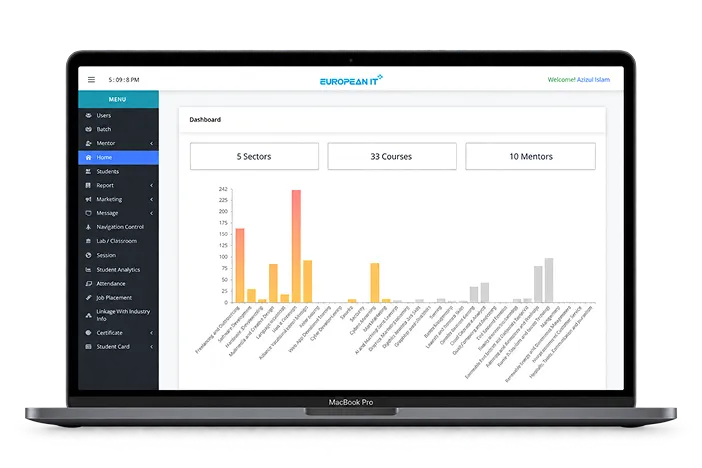
The Training Management System (TMS) is a centralized digital platform designed to simplify how organizations plan, deliver, and evaluate training programs. It brings training schedules, participant information, attendance records, progress monitoring, and performance reporting into one organized environment. The system addresses the administrative complexity of managing multiple training activities by helping coordinators maintain accurate records, trainers monitor learner participation, and management evaluate training delivery and outcomes through structured information.
02 · Project Background & Business Context
Training providers, educational institutions, corporate learning departments, and professional development organizations must coordinate several activities to deliver effective training. These include designing training plans, enrolling participants, assigning trainers, arranging sessions, maintaining attendance records, monitoring learner progress, and evaluating performance.
As the number of courses, participants, and training sessions grows, managing these responsibilities through spreadsheets, paper records, email, or separate applications becomes increasingly demanding. Coordinators may need to update the same information in multiple places, while trainers and administrators may work with different versions of schedules or participant records.
These operational demands can affect communication, record accuracy, and the ability to evaluate training effectiveness. A centralized Training Management System provides a common platform for organizing essential training information and coordinating responsibilities. It helps connect administrative activities with the delivery and evaluation of learning programs, creating a more structured approach to training operations.

03 · The Challenge: Before TMS
Managing training programs involves more than arranging classes. Training teams must coordinate participants, instructors, schedules, learning activities, attendance, and performance records throughout each program. When these responsibilities are handled through disconnected tools, operational difficulties can affect both administrators and learners.
Disorganized Participant Records:
Registration details, contact information, enrollment status, and training histories may be stored in separate files. Maintaining accurate participant records becomes more difficult when information needs frequent updates.
Scheduling Conflicts:
Coordinating trainers, classrooms, online sessions, and participant availability can be complicated when schedules are maintained manually. Changes may not reach everyone promptly, increasing the risk of missed sessions or conflicting arrangements.
Attendance and Progress Tracking:
Paper-based registers or separate spreadsheets can make it difficult to maintain consistent attendance records and follow individual learning progress across multiple sessions.
Administrative Workload:
Preparing participant lists, updating schedules, compiling attendance sheets, and generating reports can consume considerable staff time. Repetitive data entry also increases the possibility of mistakes.
Limited Performance Visibility:
Training managers need to understand participation levels, course completion, assessment results, and learner progress. Without consolidated information, evaluating program performance may require considerable manual effort.
Fragmented Communication:
Participants, trainers, and coordinators need timely information about schedules, changes, and training requirements. Disconnected communication channels can create confusion and lead to avoidable follow-ups.
These challenges demonstrate the need for a unified system that connects training administration, session delivery, learner monitoring, and performance evaluation.
04 · Project Objectives
The primary objective of the Training Management System was to establish a centralized platform for organizing and monitoring training operations. The system was designed to simplify participant administration, coordinate training schedules, maintain attendance records, and provide structured visibility into learner progress. Additional objectives included reducing repetitive administrative work, improving communication among coordinators and trainers, standardizing training reports, and supporting the evaluation of course participation and performance. The overall goal was to make training delivery more organized, manageable, and measurable as program requirements grow.
05 · The Solution: Introducing the Training Management System
EUITSols designed the Training Management System to connect the administrative and operational activities involved in delivering training programs. The platform provides a structured environment where authorized users can manage training information, coordinate sessions, and review learner progress.
- Training Program Management The system organizes course information, training plans, program details, and relevant delivery requirements. This helps administrators maintain a consistent overview of the programs being offered.
- Participant Registration and Management Participant records can be maintained within a centralized database, including enrollment details, assigned courses, and relevant training history. This reduces reliance on scattered participant lists and makes information easier to retrieve.
- Scheduling and Session Coordination Training schedules can be organized around course dates, session times, trainers, and available resources, according to the system's configuration. Updated schedules help coordinators manage delivery arrangements more systematically.
- Attendance Monitoring Attendance records can be maintained against individual training sessions, giving administrators and trainers a clearer view of participation throughout a program.
- Learner Progress and Performance Tracking The platform can organize relevant progress indicators, assessment results, completion status, and other configured performance information. This helps training teams identify learners who may need additional support.
- Reporting and Dashboards Consolidated reports and dashboard views help management review enrollment, attendance, program completion, and available performance indicators without compiling every report manually.
- User Roles and Access Appropriate permissions can separate administrative, trainer, and participant responsibilities, supporting a more organized and controlled approach to information access.

Together, these capabilities support a connected training management process, from initial planning and participant enrollment to delivery, monitoring, and program evaluation.
06 · Development & Implementation Approach
EUITSols followed a structured development process to align the TMS with training delivery requirements and user responsibilities.
-
01
Requirement Analysis
Training workflows, participant management needs, scheduling requirements, and reporting expectations were identified with relevant stakeholders.
-
02
Process Mapping
Key activities, including enrollment, session coordination, attendance recording, and performance review, were mapped to define how information should move through the platform.
-
03
System Design
The data structure, user interfaces, dashboard views, and access permissions were planned around the needs of administrators, trainers, and other authorized users.
-
04
Development
Core training management functions were developed according to the agreed requirements, including the relevant tracking and reporting capabilities.
-
05
Testing and Validation
The system was evaluated for workflow consistency, data accuracy, scheduling behavior, reporting reliability, and usability.
-
06
Deployment and User Training
Following deployment, appropriate user guidance can help coordinators and trainers maintain accurate records and use the platform consistently in their daily activities.
This approach supports a practical system built around real training operations and the needs of the people responsible for delivering them.
07 · Results & Business Impact
The Training Management System is designed to improve training administration by connecting planning, participant management, scheduling, monitoring, and reporting within a unified platform. Its potential business value extends beyond administrative convenience to include better coordination and more informed evaluation of learning programs.
More Organized Training Administration
Centralized program and participant information helps administrators manage essential records without depending entirely on multiple disconnected files.
Improved Scheduling Coordination
Structured session planning gives coordinators a clearer view of training arrangements and helps them communicate schedule changes more consistently.
Better Attendance Visibility
Session-based attendance records make it easier to review participation patterns and identify repeated absences that may require follow-up.
Clearer Learner Progress
Organized progress and performance information helps trainers and administrators understand how participants are progressing through their programs and where additional support may be appropriate.
Reduced Repetitive Administrative Work
Centralized records and structured reporting can reduce duplicate data entry and the manual effort involved in preparing participant lists, attendance summaries, and training reports.
Stronger Program Evaluation
Consolidated information about enrollment, attendance, completion, and assessments provides a more useful foundation for evaluating training delivery and identifying opportunities to improve future programs.
Support for Growing Training Operations
A unified management framework can accommodate additional courses, participant groups, and reporting requirements as an organization's training activities expand, subject to system capacity and configuration.
The actual impact depends on implementation scope, data quality, and user adoption. Improvements such as reduced administrative hours, fewer scheduling conflicts, or higher completion rates should be established through verified operational measurements.
08 · Key Takeaways & Conclusion
Successful training delivery depends on effective coordination before, during, and after each learning program. When participant records, schedules, attendance, and performance information are managed separately, training teams can spend more time on administration and less time supporting the learning experience.
A centralized Training Management System brings these responsibilities into a connected operational environment. It provides a foundation for more consistent record-keeping, clearer learner progress monitoring, and structured evaluation of training outcomes. To sustain these benefits, organizations should maintain accurate records, define clear user responsibilities, and regularly review the indicators used to assess program effectiveness.
As training needs evolve, the platform can be extended with features such as online assessments, automated notifications, certificate management, learning platform integrations, and advanced analytics.
09 · Call to Action
Looking to simplify training administration and track learner performance more effectively?
Contact EUITSols to explore a custom Training Management System built around your organization's learning needs.
